Construction Site Layout Design Strategies for 2025
Construction companies entering 2025 face increasing pressure to optimize project timelines, improve onsite safety, reduce costs, and strengthen client trust. A well-structured construction site layout design is no longer optional—it is a competitive advantage.
With new technology, sustainability standards, and industry expectations evolving faster than ever, companies that invest in strategic layout planning gain more efficiency, stronger branding, and better client outcomes.
This guide explores future-focused construction site layout design strategies and how digital solutions—like SEO, automation, and CRM—support both construction operations and online visibility.
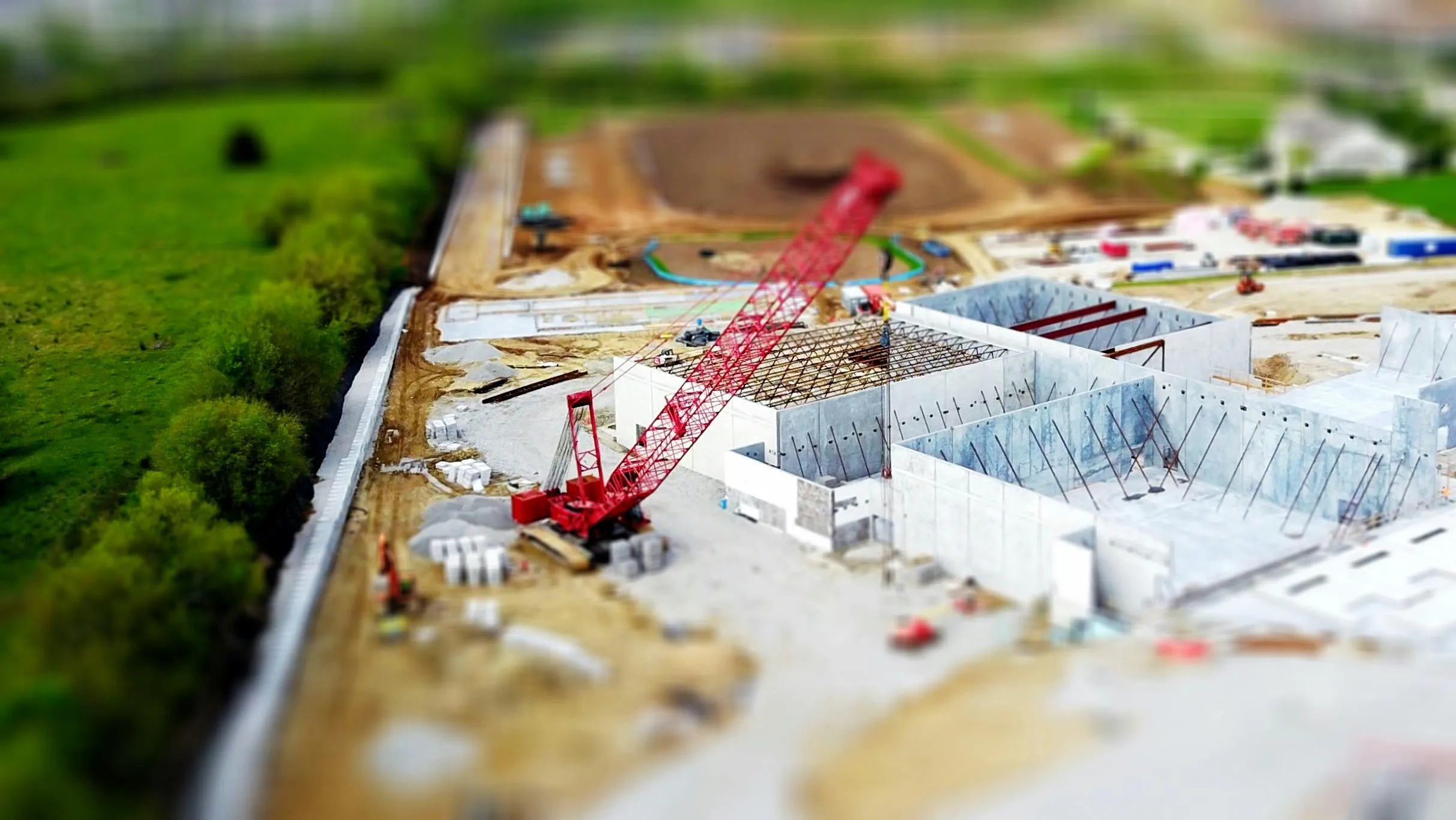
Top Construction Site Layout Design Strategies for 2025
1. Adopt a Data-Driven Layout Approach
Modern construction firms are using data from BIM, project management software, and real-time monitoring to design more efficient layouts.
High-authority reference:
- Using Building Information Modeling (BIM) for planning improves accuracy and safety.
Benefits:
- More precise material placement
- Improved equipment movement
- Predictable workflows
This approach also helps construction companies communicate better with clients—similar to how real estate and tourism industries use data to enhance customer decision-making.
2. Prioritize Worker Safety Through Zone Optimization
Safety remains the top priority in any construction environment. Proper layout planning reduces risks tied to vehicle movement, material handling, and equipment operation.
Key zone considerations:
- Separate pedestrian walkways
- Clear equipment paths
- Dedicated material staging areas
- Visibility for crane and heavy machinery operations
Well-designed safety zones help companies—from construction to manufacturing—maintain compliance and reduce long-term liability.
3. Integrate Smart Technology for Efficiency
2025 layout design is heavily influenced by emerging technologies:
- IoT sensors for tracking equipment usage
- Drones for surveying and site mapping
AI-based workflow simulators for testing layout options
Impact across industries:
Real estate developers, dental clinics, tourism businesses, and e-commerce brands all use digital tools to streamline operations. Construction companies can adopt the same approach to improve their onsite decision-making.
4. Focus on Sustainable and Eco-Friendly Layouts
Sustainability is no longer a trend—it is an industry requirement. Construction site layout design now prioritizes:
- Waste reduction zones
- Recycling areas
- Energy-efficient equipment placement
- Optimized transportation routes
Sustainability-focused layouts not only reduce environmental impact but also enhance brand reputation—similar to how tourism businesses attract eco-conscious travelers.
5. Improve Onsite Communication Through Digital Integration
Construction companies that blend onsite operations with digital marketing tools gain a competitive branding advantage.
Examples:
- CRM systems that log project updates in real-time
- Internal dashboards for site progress
- Automated messaging for workforce coordination
Industries That Benefit From Construction Site Layout Design Strategies
Even though layout planning is primarily for construction, several industries can apply similar operational strategies:
Real Estate Developers
Efficient site layouts reduce development timelines and enhance investor confidence.
Small E-Commerce Warehouses & Stores
Optimizing storage paths and inventory placement improves order fulfillment.
Dental Clinics & Healthcare Facilities
Dental clinics use comparable layout planning for safety, workflow, and patient experience.
Tourism & Hospitality Facilities
Hotels and resorts plan construction layouts to minimize disruption during development.
Conclusion : Build Smarter, Faster, and Safer in 2025
Construction companies that invest in smarter, more efficient site layout design will outperform competitors in cost savings, safety, and client satisfaction.
By combining advanced planning with digital tools—like CRM systems, AI technology, and SEO-driven branding—you set your company up for long-term growth and stronger industry positioning.
If you are ready to elevate your construction operations and digital presence, Builder Boost Digital is here to help transform your strategy.
Contact us today:
https://lugenixdigitalservices.com/contact-us/