How Often Do Companies Update Their Websites?
If you’re wondering how often do companies update their websites, the most practical answer is: smaller updates should happen regularly, while major changes happen on a planned cycle.
A website isn’t a one-time project—it’s a living business asset. Promotions change, services evolve, pages break, and competitors improve. The companies that win online treat updates like routine operations, not emergency fixes.
Below is a simple update schedule you can actually follow—whether you’re running a small business site, a content-driven brand, or a service-based company that relies on leads.
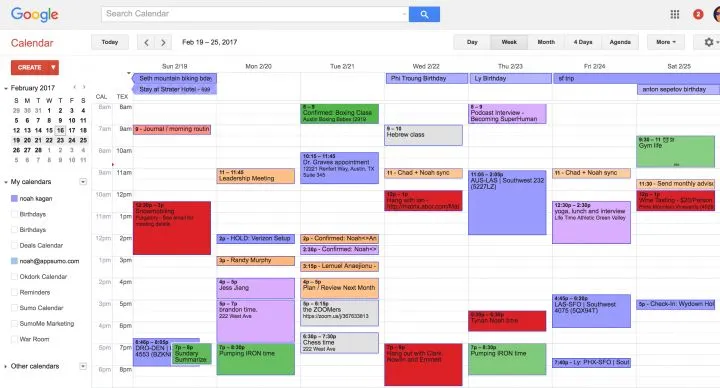
A Smart Website Update Timeline (From Weekly Fixes to Redesigns)
A smart website update routine balances two goals:
- Keep the site accurate and working (trust + usability)
- Keep improving performance (SEO + conversions + speed)
If you want help setting up a website that’s easy to update (and built to convert), Lugenix offers Website Design & WordPress Development. For ongoing improvements based on real data, our Performance & Growth support is designed to keep your site moving forward.
For SEO and site quality basics that influence visibility, it’s also helpful to reference Google’s resources at https://developers.google.com and https://support.google.com.
Weekly Updates: Content Tweaks, Promotions, and Fixing Errors
Weekly updates keep your site trustworthy and reduce “small issues” that quietly hurt conversions.
Weekly checklist (fast, high-impact):
- Update promotions, banners, seasonal offers, and home page highlights
- Fix broken links, missing images, and form issues
- Review and update hours, contact info, and service availability
- Check key conversion paths: Contact form, booking buttons, checkout (if applicable)
Tip: If your site has frequent offers or inventory changes, weekly updates are non-negotiable. Even for service businesses, small copy tweaks and CTA improvements can add up over time.
Monthly Updates: SEO Improvements, New Pages, and Performance Checks
Monthly updates are where you maintain visibility and improve performance without needing a full overhaul.
Monthly checklist (growth + stability):
- Publish or improve at least one piece of search-focused content (blog, landing page, FAQ, case study format—whatever fits your business)
- Refresh priority pages: Services, About, Pricing, Location pages
- Run quick performance checks (speed, mobile layout, image sizes)
- Review basic SEO hygiene: page titles, headings, internal links, and indexability
(SEO learning and workflows are commonly supported by tools/resources at https://moz.com, https://ahrefs.com, and https://semrush.com.)
If content and search traffic matter to your business, ongoing content updates are one of the most reliable ways to compound results over time. That’s exactly what our SEO & Content service is built to support.
Quarterly Updates: UX Updates, Conversion Tests, and Content Refreshes
Quarterly is a great cadence for deeper improvements—updates that are too big for weekly, but not big enough to be a full redesign.
Quarterly checklist (optimize what already exists):
- Refresh top-performing pages: update sections that feel outdated, add missing FAQs, clarify CTAs
- Improve UX: simplify navigation, reduce friction on forms, tighten page structure
- Run basic conversion tests: swap CTA language, adjust hero messaging, refine lead capture flows
- Clean up pages that aren’t pulling their weight: combine thin pages, update internal linking, improve readability
Tip: Quarterly updates work best when you’re tracking outcomes (calls, form submits, bookings, purchases). If you need help setting up measurable reporting and a simple improvement plan, start with Performance & Growth.
Annual Updates: Branding, Strategy Reviews, and Major Feature Changes
Annual updates should be your “strategy reset.” Even if the site looks fine, your business positioning and customer expectations may have shifted.
Annual checklist (big-picture alignment):
- Review brand consistency: visuals, tone, value proposition, differentiation
- Check whether your site still matches your services and offers today
- Audit the full customer journey: landing → trust-building → conversion
- Plan major feature updates (new service lines, multilingual support, new lead funnels, new integrations)
If you’re integrating email capture, follow-ups, and lifecycle campaigns, it may be time to improve how your site connects to marketing and sales tools. Resources from https://hubspot.com and https://mailchimp.com can be helpful for understanding CRM and email automation best practices.
Redesign Frequency: Signs It’s Time for a Full Website Refresh
A redesign isn’t about chasing trends—it’s about fixing structural problems that updates can’t solve.
Signs it’s time for a full refresh:
- The site isn’t mobile-friendly or feels hard to use on phones
- It’s slow even after basic optimization
- Your pages don’t reflect your current services, pricing approach, or brand
- Conversions are consistently weak (traffic comes in, leads don’t)
- The site is difficult to update without breaking layouts
- Your competitors look more credible, clearer, and easier to navigate
- You need new functionality that doesn’t fit the current structure (new funnels, bookings, e-commerce, integrations)
If you’re still asking how often do companies update their websites, a strong rule is: keep the site fresh weekly/monthly, optimize quarterly, and review strategy annually—then redesign when the site’s structure is holding growth back. If you want a team to evaluate what to update vs. what to rebuild, explore Website Design & WordPress Development or reach out via Contact Us.